Considering pictory ai text to video free? Start Here
If pictory ai text to video free brought you here, begin with a short script and a clear purpose. Pictory can help you explore a text-led video workflow, but check current access terms before assuming that creating or exporting a video costs nothing.
This guide covers Pictory. The link opens Vidione, a separate service where a text prompt generates one Veo video clip—not an automatic multi-scene video from a full script. Write your prompt on Vidione; nothing is transferred from this page.
Vidione signup includes 0 generation credits. Generation requires a paid plan ($99, $199 or $599/month); verify current terms before paying.View Vidione plans
Limits to check before you start
A text-first route can reduce the work of planning scenes, but it does not remove the need to verify access, assets, or the finished edit.
It cannot guarantee a free export
Access and export conditions may differ from the experience of drafting a video. Do not plan a deadline around an assumed free download.
Workaround
Check the current terms and export options before committing to the workflow.
It cannot verify every visual
A suggested image or clip may be off-topic, misleading, or unsuitable for your audience even when it fits a line of text.
Workaround
Review each scene against the script and replace anything that changes its meaning.
It cannot clear rights for you
Adding your own footage, music, logos, or quotations does not automatically grant permission to publish them.
Workaround
Confirm the rights and usage conditions for every asset before sharing the video.
It cannot fix a vague script
Text without a defined audience or message gives any video workflow little direction about what belongs on screen.
Workaround
Write one main point and one intended action before arranging scenes.
How to start with a text-first video
Treat the script as a draft to test, not as a promise that the first version will be ready to publish.
1
Write a short script
Open with the audience's problem, develop one useful idea, and close with a specific takeaway. Separate distinct points into short passages so scene changes have a natural place.
2
Build a scene draft
Use the text to guide a video concept, then inspect how each passage is represented visually. Keep the strongest scenes and change visuals that merely repeat the words without adding clarity.
3
Review before sharing
Read captions, check pacing and pronunciation where applicable, and confirm that images support your claims. Verify the available export conditions before treating the draft as a finished deliverable.
Three useful next checks
If you are still deciding whether Pictory fits the job, these guides separate the basic workflow from access questions.
A text-led starting point gives Pictory material to organize, a message to represent, and a draft you can evaluate scene by scene.
Written draft
Video concept
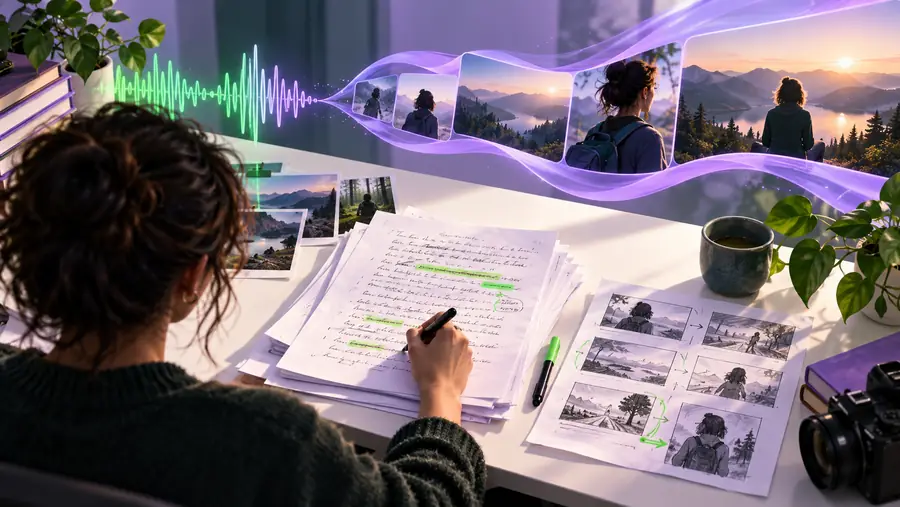
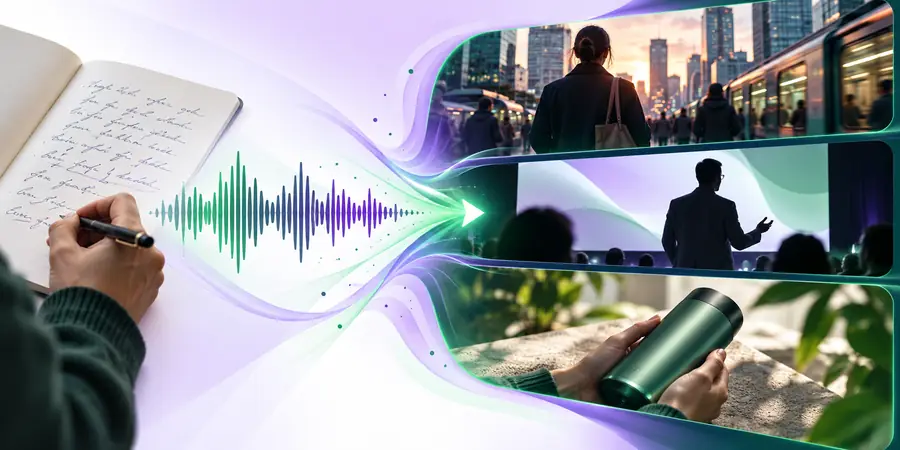
Illustrative workflow imagery, not a guaranteed before-and-after result. The value of starting with text is control over the message: you can spot a missing point in the script, compare each visual with its intended line, and revise the order before sharing.
This entry point vs the general one
Choose a starting point based on what you already have. A script-led approach is useful when the wording is settled; a broader editing approach suits projects built around existing footage.
Start with text
Start with an existing video
First material
Start with text
A written script or structured draft
Start with an existing video
Footage or a recording you already have
First question
Start with text
What should the audience understand?
Start with an existing video
Which recorded moments should remain?
Planning unit
Start with text
Passages that can become scenes
Start with an existing video
Clips and moments on a timeline
Main review
Start with text
Whether visuals accurately represent the words
Start with an existing video
Whether the selected footage tells the intended story
Useful preparation
Start with text
Tighten the message and mark scene breaks
Start with an existing video
Organize source clips and identify highlights
Shared responsibility
Start with text
Check accuracy, asset rights, and export terms
Start with an existing video
Check accuracy, asset rights, and export terms
Create one prompt-led clip on Vidione
A separate paid tool—not Pictory
On Vidione, describe one video clip with a concise prompt. A longer script needs you to plan and assemble clips manually in the timeline; this link does not turn it into an automatic storyboard. Signup includes 0 generation credits, and generation requires a paid monthly plan ($99, $199 or $599; verify current prices before paying).
Do not assume that drafting, editing, and exporting have the same access conditions. Check the current terms for the workflow and the output you need before starting a time-sensitive project.
Text can provide a starting structure for a video, but a first draft still needs human review. Check the scene choices, wording, timing, and any claims before publishing.
Start with a short script that names the audience, makes one main point, and ends with a clear takeaway. Divide it into passages where a change of scene would help the viewer follow along.
Confirm that the visuals match the script and that you have permission to use any assets you added. Then check the current export terms and inspect the resulting video for captions, pacing, and errors.