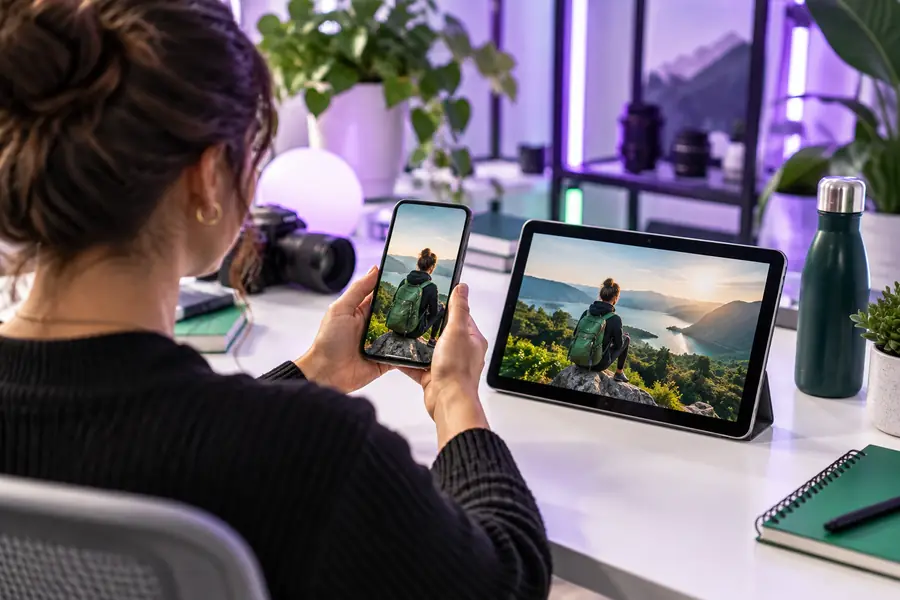
A pictory ai mobile workflow can start with a script, notes, or a review request on your phone. Before committing to an edit, check which creation and export controls are available on your device; a mobile browser may not offer the same working space as a desktop.
This independent Pictory guide links to Vidione, a separate paid tool for one prompt-to-video clip or a talking avatar made from a photo, script and voice. Signup includes 0 generation credits; generation requires a subscription ($99, $199 or $599/month). Confirm current terms before paying.
Mobile access is not the same as a confirmed mobile-first editor. Test the actual interface and your intended output before making it your only workspace.
Crowded timeline controls
Precise scene timing, trimming, and text placement can be difficult on a narrow screen, even when an editor opens in a mobile browser.
Workaround
Draft the script on your phone, then reserve detailed visual edits for a larger screen.
Uncertain feature parity
Do not assume every desktop control, upload option, or export setting appears on your phone. Availability can depend on the current product interface and browser.
Workaround
Open the tool on your device and check the specific controls your project needs.
Large media transfers
Uploading footage over a variable connection can interrupt a session or make it hard to confirm that every file arrived.
Workaround
Use a stable connection and verify uploaded assets before building scenes around them.
Final-review blind spots
Small text, captions, and edge cropping can look acceptable on one phone but read poorly on another screen.
Workaround
Review the finished video at full size and check its intended viewing format before publishing.
A practical mobile-first workflow
Treat your phone as a place to prepare and inspect the project, then make editing decisions based on the controls you can actually use.
1
Prepare a short script
Write one clear idea per scene in a notes app. Keep names, captions, and any required wording together so they are easy to transfer without retyping.
2
Check the editing surface
Open the available video workflow on your phone. Test one scene, including text, media selection, and preview, before moving a full project into it.
3
Review before publishing
Watch the complete result for pacing, readable captions, audio, and crop. If a control is missing or too fiddly, finish that part on a larger screen.
Phone preparation versus desktop editing
This comparison describes practical screen-size trade-offs, not a promise that any particular feature is available on either device.
Phone workflow
Desktop workflow
Best starting task
Phone workflow
Capture ideas and draft short scene text
Desktop workflow
Arrange a full project and compare scenes
Screen space
Phone workflow
Focused view of one task at a time
Desktop workflow
More room for preview and editing controls
Text review
Phone workflow
Useful for quick wording checks
Desktop workflow
Easier to compare captions across scenes
Fine adjustments
Phone workflow
Touch targets may make precision harder
Desktop workflow
Pointer and larger display aid precision
Media handling
Phone workflow
Convenient for clips already on the phone
Desktop workflow
Convenient for organizing multiple source files
Final check
Phone workflow
Shows how the video reads on a handset
Desktop workflow
Helps reveal small visual and timing issues
From rough script to visual plan
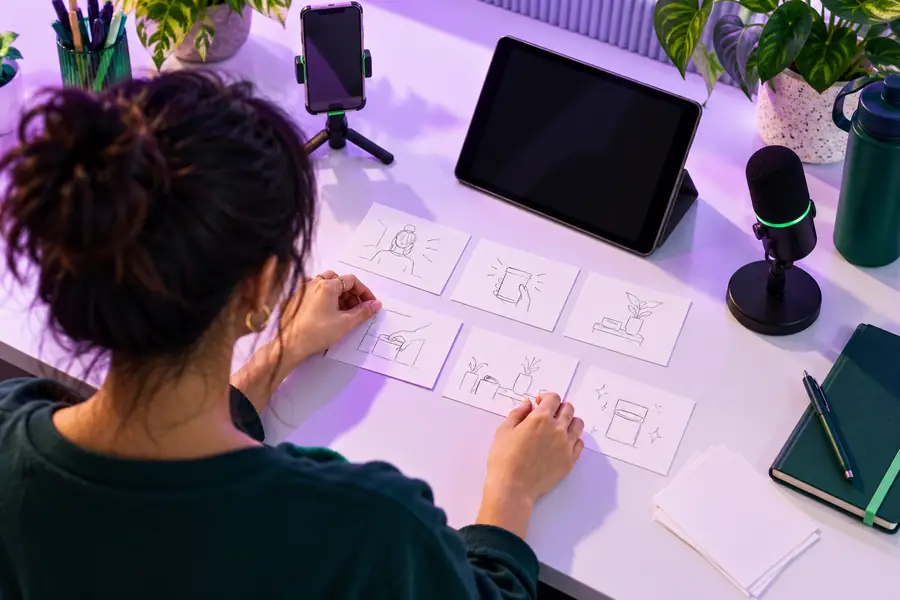
A simple script is easier to work with on a small screen when each thought has a clear scene boundary.
Script draft
Scene plan
These images illustrate a planning progression; they are not a comparison of phone and desktop product screens.
Take your next video idea forward
Start with a script you can review anywhere
This page discusses Pictory on mobile; the link below opens Vidione, a different paid product. Vidione supports prompt-to-single-clip generation, photo-and-script talking avatars, timeline editing and export. Check its device compatibility before relying on a phone workflow. Signup includes 0 generation credits; generation requires a $99, $199 or $599/month plan (verify current terms).
Check the current product experience in your phone’s browser before planning a complete project around it. Being able to open a site on mobile does not confirm that every editing or export control works comfortably there.
This page does not establish whether an official app is currently available. Check the product’s official information and verify the publisher before installing anything that claims to be its mobile app.
Draft the script, gather source clips, and divide the message into short scenes. Then test a small edit on your device to see whether the controls you need are accessible.
Use whichever device lets you inspect captions, timing, audio, and crop reliably. A phone is useful for checking how the result feels on a handset, while a larger screen may make detailed adjustments easier.