YouTube creator
A creator turns a researched outline into a draft explainer.
The creator checks the hook, visual relevance and pacing before publishing.
pictory for youtubeIf you are asking what is pictory ai and how does it work, the short answer is that Pictory helps turn written material into a video draft. You supply the message; the AI-assisted workflow helps assemble scenes, visuals and text that you can review before using the video.
This independent Pictory guide links to Vidione, a separate paid tool for one prompt-to-video clip or a talking avatar made from a photo, script and voice. Signup includes 0 generation credits; generation requires a subscription ($99, $199 or $599/month). Confirm current terms before paying.
View Vidione plansStart with the material you have, then choose the workflow that matches what you want to make. These guides examine particular starting points in more detail.
Think of the process as preparation, assembly and editorial review rather than a single instruction that produces a finished video.
Begin with a script, article or other written source. Remove tangents, identify the main point and split longer ideas into sections a viewer can follow.
Pictory uses the source to help organize a sequence of video scenes. Check whether each visual supports its line of narration or on-screen text instead of merely matching a keyword.
Read the text on screen, inspect scene changes and confirm that names, claims and visual choices are accurate. Revise the draft until it communicates your intended message.
A written outline and a storyboard serve different jobs. The first establishes what to say; the second helps you judge what a viewer will see as the message unfolds.
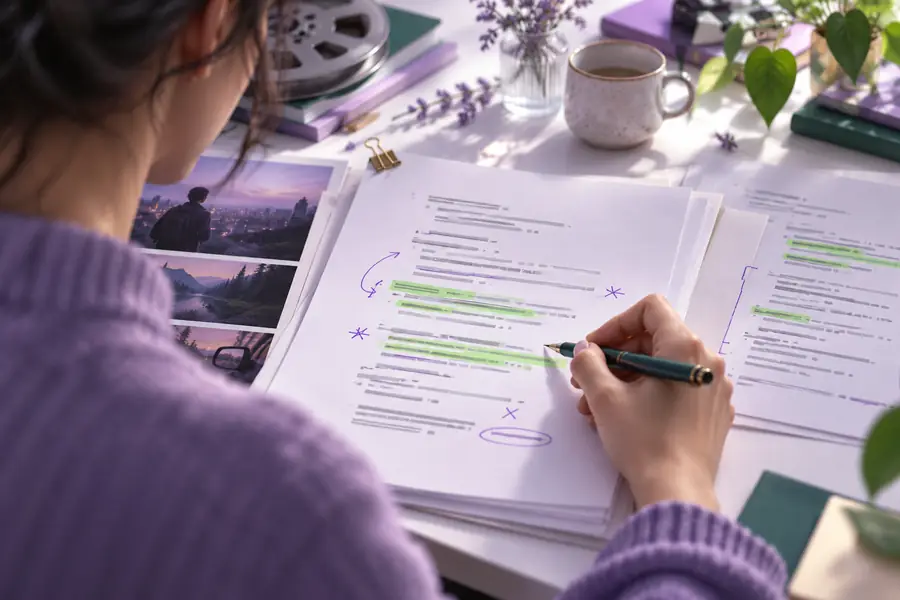 Written source
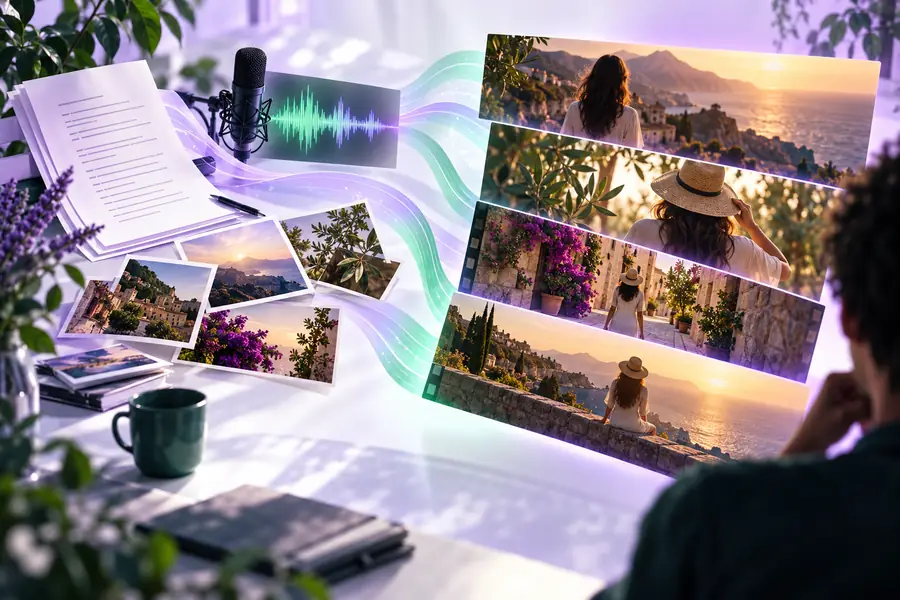 Visual sequence
Pictory can reduce the work of assembling an initial video, but it cannot take responsibility for the truth, suitability or effectiveness of your message.
Source material
Pictory can help
Turn written ideas into a starting video structure.
You still need to check
Whether the source is clear, current and yours to use.
Scenes
Pictory can help
Help organize a sequence around the text.
You still need to check
Whether the pacing and order make sense to a viewer.
Visuals
Pictory can help
Support a draft with visual material.
You still need to check
Whether each image accurately represents the subject.
On-screen text
Pictory can help
Present key lines in a visual format.
You still need to check
Spelling, readability, names and factual claims.
Audience
Pictory can help
Give you a draft to adapt for a channel.
You still need to check
Tone, context and what that audience actually needs.
Final decision
Pictory can help
Provide material you can revise.
You still need to check
Approval, rights checks and whether the video is ready to share.
Pictory is most useful when someone already knows what they want to communicate but needs a visual draft to work from. The editorial task changes with the audience.
A creator turns a researched outline into a draft explainer.
The creator checks the hook, visual relevance and pacing before publishing.
pictory for youtubeA team adapts a campaign message into a short video concept.
The team reviews brand language, evidence for claims and the intended call to action.
is pictory ai good for marketingA writer uses an article as the basis for a visual summary.
The writer trims details that read well on a page but slow down a video.
pictory ai text to video freeA beginner starts with a short, focused script rather than a blank timeline.
The beginner learns to inspect each scene instead of treating the first draft as final.
how to use pictory aiThis article explains Pictory, but the link below opens Vidione, a separate paid video tool. There, enter a prompt for one video clip or provide a photo, script and voice for a talking avatar. Multi-scene editing takes place manually on its timeline. Signup comes with 0 generation credits; generating requires a $99, $199 or $599/month subscription (check current terms).
View Vidione plansPictory is an AI-assisted video creation tool that helps turn written material into a visual draft. You provide the source and review the assembled scenes, text and pacing to make sure the video says what you intended.
Start with a clear script, article or concise outline and decide who the video is for. A focused source makes it easier to spot scenes that drift away from your main point.
A generated draft still needs a human check. Review factual statements, visual relevance, wording and pacing before deciding whether it is ready to share.
Your text supplies the message and its order of ideas; the draft presents those ideas as a sequence of visual scenes. That change of format may call for shorter wording, different pacing or a visual that explains a point more clearly.